
Departure of the Colts
Baltimore's once-glorious NFL team sneaked out of town in the dead of night in March 1984, a caravan of Mayflower moving trucks ripping a path through the city's psyche and raising an alarming question: Could the Orioles be next to go?
‘The city was in mourning’
Robert Irsay turned himself into the biggest villain in the city’s history. And the mayor was launched on a new crusade: Save Baltimore’s baseball team.
At 10 o’clock that night, the trucks started rolling in. They had their lights off. … They loaded trucks all through the night.
Pete Ward, former Baltimore Colts aide; Indianapolis Colts COO
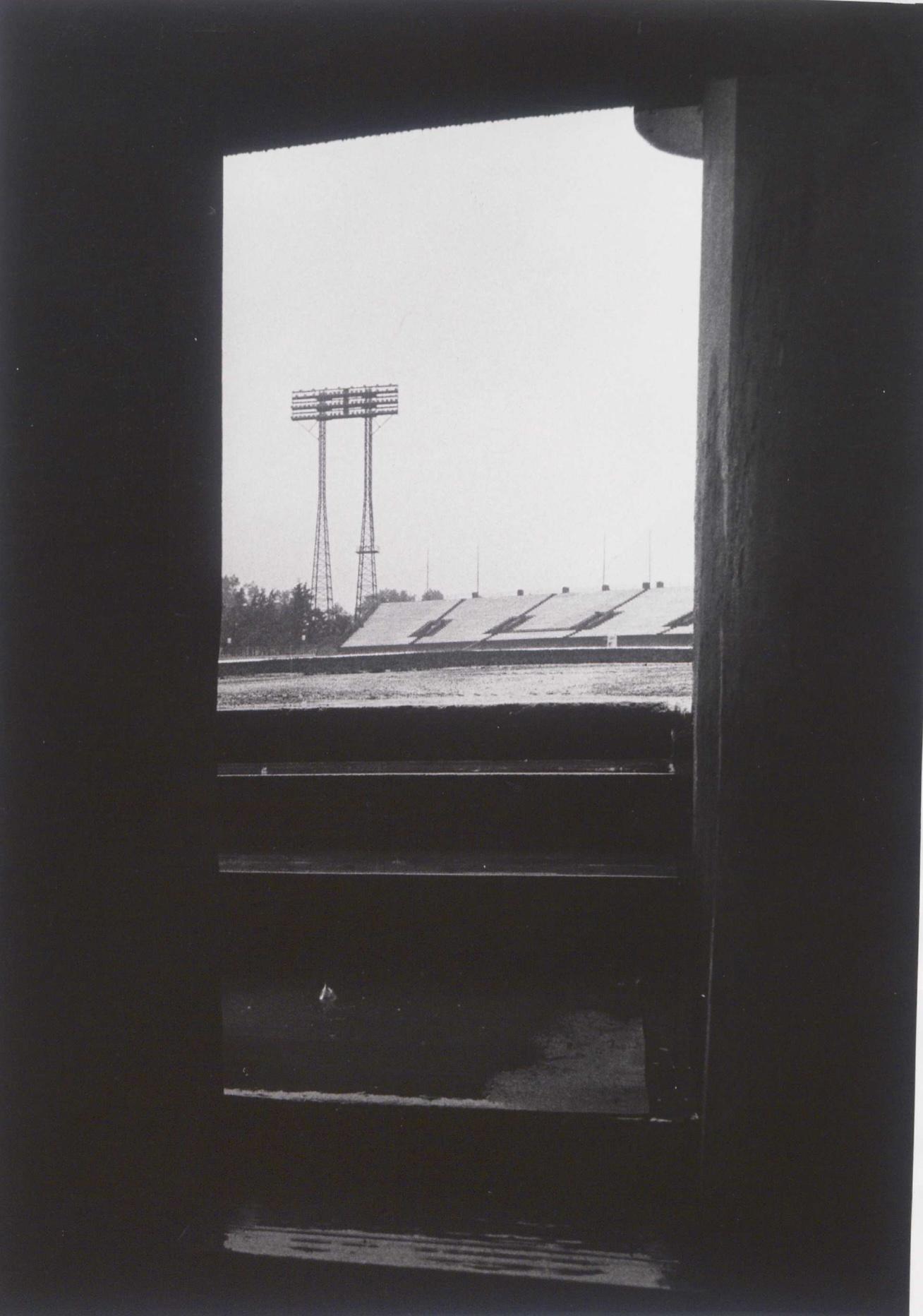
'Thieves in the night': How Baltimore’s NFL team was stolen
Betrayal by the Colts' out-of-town owner spurred political leaders to take steps needed to secure the city's sports future
By John McConnell and Michael Stamatos
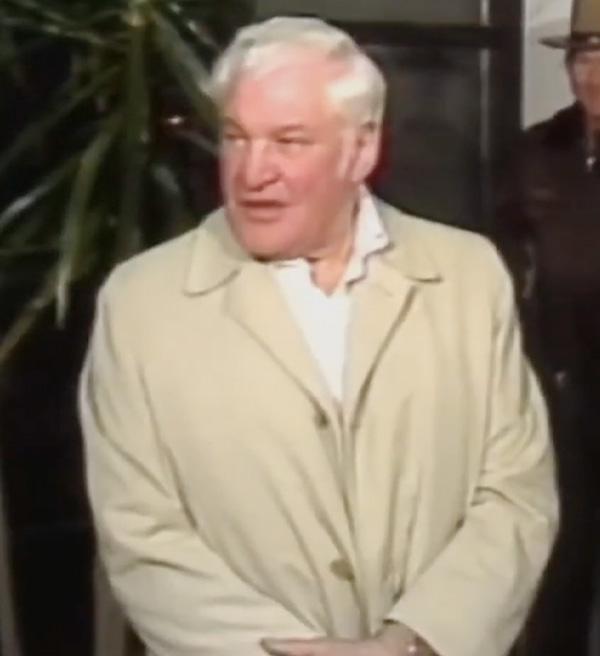
Robert Irsay’s bizarre news conference
Mayor William Donald Schaefer and TV crews hustled out to Baltimore-Washington International Airport one January evening when, with almost no notice, Baltimore Colts owner Robert Irsay landed in his private jet.
Irsay’s raincoat was rumpled. His shirt collar was open. He slurred his words. He began sentences that went nowhere. He repeatedly shouted, “I don’t wanna talk to you,” when a reporter asked a question. He said he flew “6,000 miles” from San Francisco to meet the mayor. He said he was bewildered by rumors he was shopping the team to other cities. He said he felt “very strong” about staying in Baltimore. Weeks later, in the dark, the team was packed up and moved to Indianapolis, where a new stadium awaited.
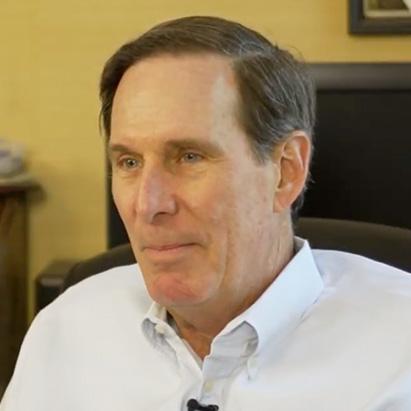
It was a catastrophic day for [Baltimore Mayor William Donald Schaefer]. He felt, one, he had been lied to; two, he had just lost on his watch one of the biggest assets the community had. This city was in love with the Baltimore Colts and he was powerless to do anything about it.
Alan Rifkin, former counsel and chief legislative officer to then-Gov. William Donald Schaefer
Watch the interview
Inside the story
On why losing the Colts was such a blow
“There's an identity and pride that is all interwoven in this story. But it all, I think, dates back to the trauma that surrounded the city, the region, the state, with the departure of the Colts. And the loss of a major sports franchise, was something that was almost unheard of in America at that time. And the city was flimflammed and really insulted by the then owner of the Colts, Robert Irsay.”
Mark Wasserman, former chief aide to Baltimore Mayor and Maryland Gov. William Donald Schaefer
On the Baltimore mayor’s reaction to the loss of the Colts
“[Mayor William Donald Schaefer] had always had this very, very close relationship with the preceding ownership group of the Colts, Carroll Rosenbloom and his family. But when Irsay came in, it was like oil and water. And when the Colts started to decline in terms of their wins and losses and successes, Irsay did very little to try to bolster the team because he really was looking for a way out. Didn't like Memorial Stadium, thought they needed a new stadium, didn't like the economics of Baltimore, thought the grass was going to be greener some other place, and really didn't like Schaefer and Schaefer didn't like him.”
Alan Rifkin, former counsel and chief legislative officer to then-Gov. William Donald Schaefer, later counsel to the Orioles
On the Colts’ decision to leave
“Jim told me to go home and get my personal life in order and to be back at the complex at 10 o’clock that night. That’s when the trucks were supposed to arrive. ... What triggered this midnight move was talk in the Maryland legislature about using eminent domain to gain control of the team. And that was what kind of provoked [Colts owner Robert Irsay] to say, ‘We’re getting out of here tonight.’”
Pete Ward, Indianapolis Colts COO
Snap count on the Colts
‘The World's Largest Outdoor Insane Asylum’
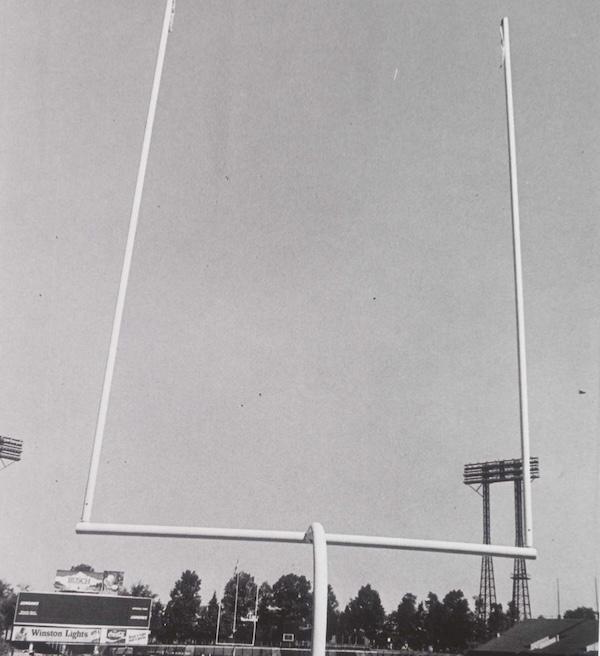
During a Colts game, 60,000 people could walk in as functioning adults and leave hoarse, euphoric and half-convinced Johnny Unitas was a public utility. Every Sunday turned into a full-contact emotional episode: roaring at the defense, pleading with the refs, and treating third-and-long like a personal referendum on faith. It was loud, loyal, and slightly unwell in the most glorious Baltimore way.
Cast of characters
In this act.
WILLIAM DONALD SCHAEFER
Former Baltimore mayor; former Maryland governor
MARK WASSERMAN
Former chief aide to Baltimore Mayor and Gov. William Donald Schaefer
BOB AYLWARD
Former Orioles VP of business affairs
ALAN RIFKIN
Former counsel and chief legislative officer to Gov. William Donald Schaefer
PETE WARD
Former Baltimore Colts aide; Indianapolis Colts COO
JOSEPH DiBLASI
Former Baltimore city councilman
KURT L. SCHMOKE
Former Baltimore mayor; University of Baltimore president
DAVID IANNUCCI
Former chief legislative officer to Gov. William Donald Schaefer
ROBERT IRSAY
Former Baltimore and Indianapolis Colts owner
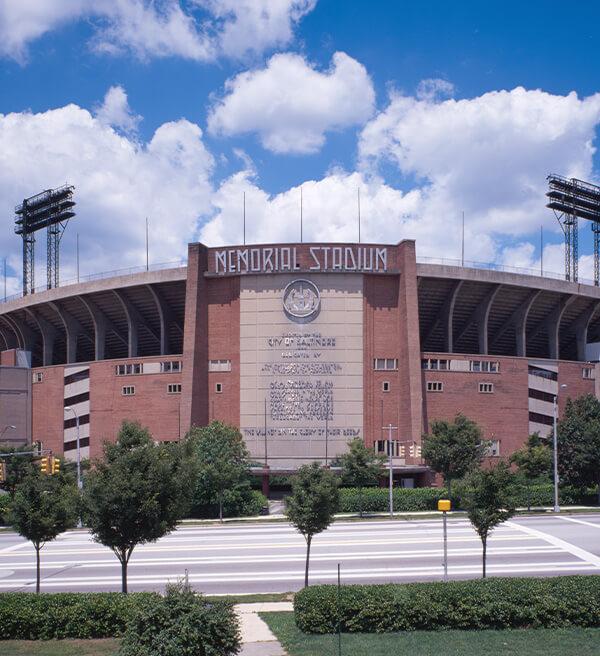
PREVIOUS: Memorial Stadium's fading magic
Flags flew and memories were made on 33rd Street, but by the 1980s, Memorial Stadium, the Orioles' home since Major League Baseball returned to Baltimore in 1954, was showing its age.
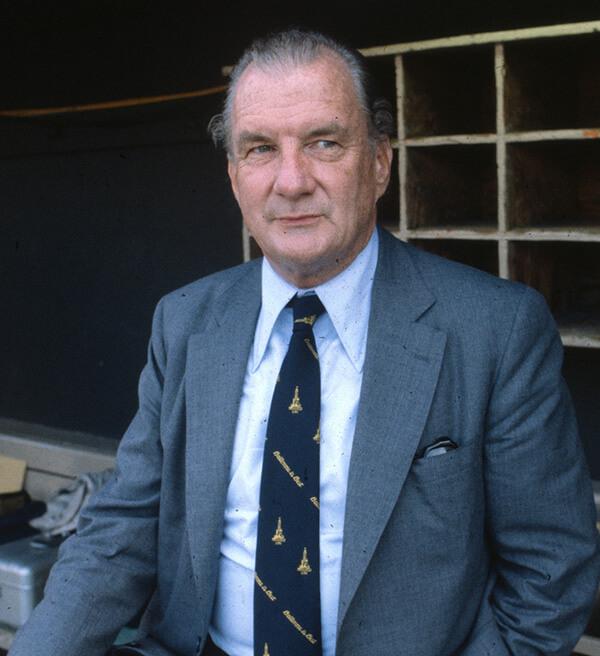
NEXT: Playing the political game
A jilted Baltimore mayor was now governor, determined to convince skeptical legislators to let him build two stadiums to keep the Orioles in town and attract a new NFL team.