
Betrayal by Colts' out-of-town owner spurs political leaders to take steps needed to secure city's sports future
By John McConnell and Michael Stamatos
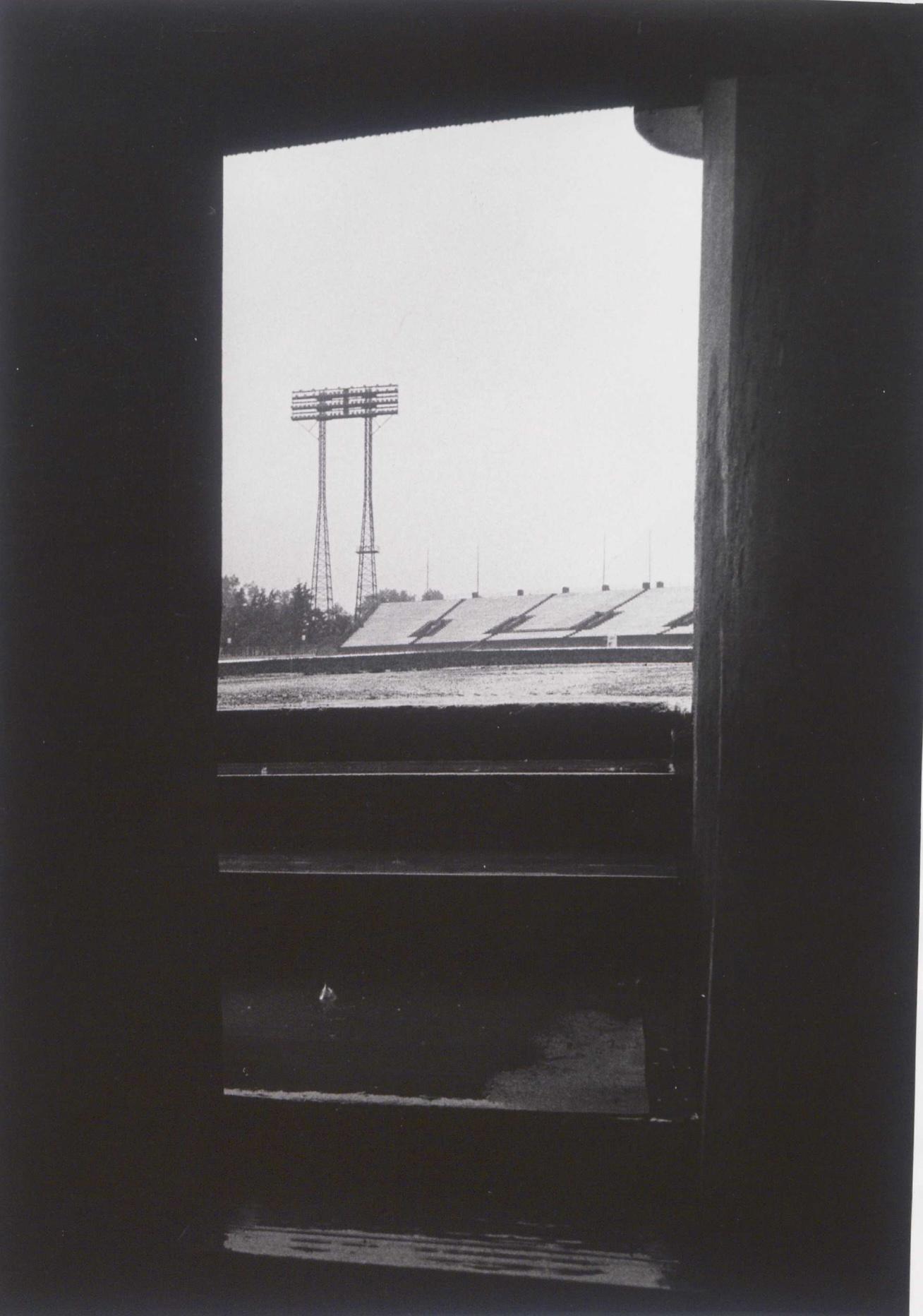
At 9 p.m. on March 28, 1984, under the cover of darkness and sleet, 15 Mayflower moving vans arrived at the Baltimore Colts’ complex in Owings Mills, Maryland.
By the next morning, the last of the vans had left, taking with them a franchise that had been in Baltimore for 31 seasons — along with a legacy of three NFL championships, a Super Bowl and the stories of Baltimore heroes like Johnny Unitas, Don Shula and Lenny Moore.
What the vans left behind was a city of distraught Baltimoreans.
In a front-page editorial in the Baltimore News American newspaper, sports editor John Steadman called the move “a despicable injustice.” Robert McG. Thomas Jr. of The New York Times wrote that the Colts “abandoned the city.” Kevin Cowherd, a columnist for The [Baltimore] Evening Sun, said the Colts left “with all the grace of a snake oil salesman backing out of a prairie tank town.”
The move, so sudden and silent, left Baltimore wondering whether it would ever see another NFL team — and created uncertainty and unease about the future of Major League Baseball’s Baltimore Orioles at Memorial Stadium.
“The big change came when the Colts left town,” Ron Smith, a WBAL Radio talk show host, told The Baltimore Sun at the time. “People are terrified of losing their only big league franchise. There’s a growing paranoia.”
Two of Baltimore’s professional teams, the Colts and the Orioles, were owned by out-of-towners. For years, Orioles owner Edward Bennett Williams and Colts owner Robert Irsay had complained that Memorial Stadium was outdated and hard for fans to get to. Both owners disliked playing in a dual-purpose stadium. Both wanted more than eight skyboxes and other amenities that Memorial Stadium couldn’t provide. Both wanted the city or state to provide a new stadium, which legislators had no interest in doing.
By the spring of 1984, the complaints had grown so loud that elected officials began to take action.
In Annapolis, legislators had been worried about the reports that Irsay had been shopping the team to other cities. On March 27, the day before the move, the Maryland Senate passed legislation that would give Baltimore the power to seize ownership of the Colts. The measure, which involved expanding the city’s power of eminent domain to cover professional sports franchises, was met with little resistance — the vote was 38-4. Irsay moved the team the following day, before the bill could reach the House of Delegates.
"They always reminded me of thieves in the night," Steve LaPlanche, a fan who was there the entire night, said in a 2014 article for ESPN. “They were literally throwing things in vans."
Fans and reporters could only stand and watch.
“I watched for a while from a distance from outside,” said Ken Murray, a retired sports reporter who covered the Colts’ departure for The Evening Sun, in an interview with the Shirley Povich Center for Sports Journalism. “It was somewhat surreal, because you have the snow, the trucks are all wet, the trucks are bright yellow and green, so they are kind of standing out in all this bleakness.”
John Lopez, a trainer for the Baltimore Colts, remembered the moment when he truly felt the significance of what had just occurred, according to an article in The Sun. It happened when he looked out the training room window after an evening filled with packing and saw Vince Bagli, one of Baltimore’s most-beloved broadcasters.
"I saw Vince in the hallway, tears streaming down his face," Lopez said. "To see a guy who was an institution in Baltimore — to see the emotion he had that night — probably did more to hit me than anything else.”
“I didn't say anything to him,” Lopez said. “A piece of history was ending, so I don't think words could have explained how I felt or how he felt. I was just understanding and looking."
Lopez “saw the last truck when it pulled out,” Murray told the Povich Center. “He said he saw this white thing in the road. The truck had just driven over it, and he went over to see what it was. He sees that it’s a Colts T-shirt, a Colts insignia white T-shirt. He picks it up, it has tire tracks all across the name, which was about as appropriate as you can get in the situation.”
It felt like a funeral in Baltimore.
“The entire state, in effect, except for maybe the Washington area, suffered real trauma with the loss of a sports franchise,” Mark Wasserman, who was a top aide to then-Mayor William Donald Schaefer, told the Povich Center.
“The city was in mourning,” Alan Rifkin, who became chief legislative officer when Schaefer became governor in 1987, told the Povich Center. “It was as if the city had been told that it was a second-class city, that it wasn't worthy of an NFL franchise, that its mayor was powerless, and that the fans who had poured their hearts out to the Colts and Johnny Unitas and all of the great heroes of the day were now an afterthought.”
Colts starting quarterback Mike Pagel was back at his home in Arizona when he learned that the team had moved. “Out of the blue, get a phone call from a beat writer saying, ‘Well, you guys are now the Indianapolis Colts,’ and it was like, ‘What?’”
“As a player, there's not a whole lot you can do about it — you just go with it,” he told the Povich Center.
However, for the workers who help the team operate, they had to make a choice,” Pagel said. “Everybody in the front office had to make that decision: Do you go to Indianapolis or you stay in Baltimore?”
Then-NFL commissioner Pete Rozelle was opposed to the idea of the move. Ultimately, he had no choice but to watch the Colts depart for Indianapolis.
“I talked to him [Irsay] about it,” Rozelle said in an article in The Washington Post in 1984. “I can’t say I put heavy pressure on him because of what our attorneys said. He knew that our rules on franchise moves have been suspended because of the Oakland situation. We weren’t in a position to stop him.”
Two years earlier, then-Raiders owner Al Davis had moved the team from Oakland to Los Angeles. The league had blocked the move originally, but a court ruled in favor of Davis and cleared the way for the team to leave Oakland.
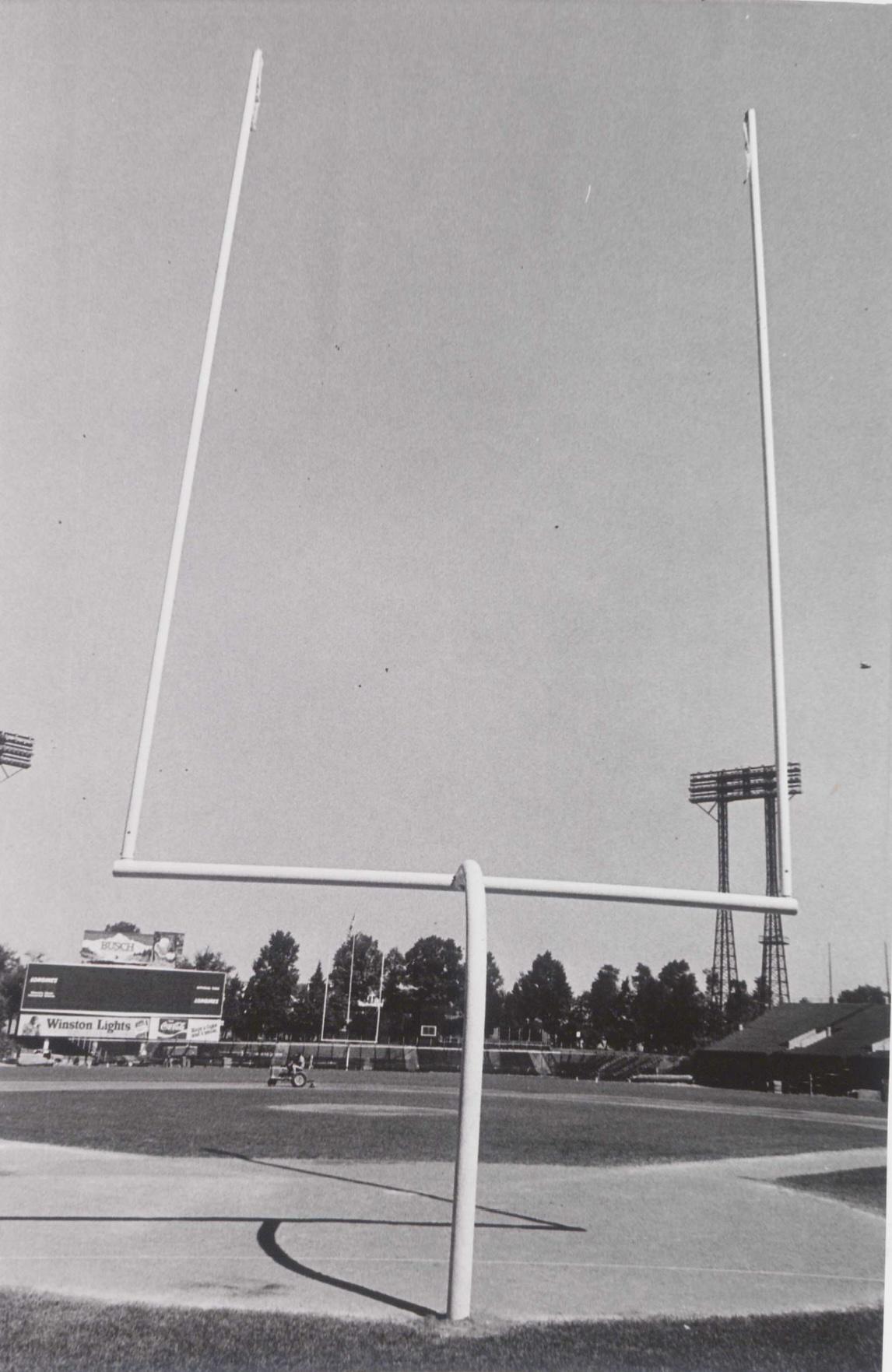
When the Colts arrived in Indianapolis, their home became the then-Hoosier Dome, a new stadium that cost $82 million to build. The dome was in large part what drew Irsay — it was a modern alternative to Memorial Stadium.
Irsay’s moving the Colts convinced many Baltimore fans and politicians that owners who threatened to leave town unless they got a new stadium would follow through. That anxiety helped Schaefer, in his first year as governor in 1987, convince the state legislature to approve plans for both a baseball park and a football stadium.
Decades later, the scars left by the Colts move still haven’t fully healed for some — and were reopened recently by another local team owner.
In 2022, the future of the Orioles in Baltimore seemed uncertain. Rumors swirled involving John Angelos, the club’s chairman, and his desire to perhaps move the team to Nashville, Tennessee.
Angelos tried to calm the situation, issuing a statement, saying, “As I have said before, as long as Fort McHenry is standing watch over the Inner Harbor, the Orioles will remain in Baltimore.”
But for older Baltimore sports fans, the situation reminded them of 1984, when Irsay told reporters he had “not any intention of moving the goddamn team" before packing up the Colts and moving them to Indianapolis.
However, the Orioles management was able to make a deal with the State of Maryland in December 2023, extending the stadium lease for another 30 years. The Angelos family then sold the team to Baltimorean David Rubenstein in 2024, enabling locals of all ages to breathe a sigh of relief.