
Playing the political game
A jilted Baltimore mayor was now governor, determined to convince skeptical legislators to let him build two stadiums to keep the Orioles in town and attract a new NFL team.
Will time run out at the State House?
The governor wanted stadiums – now – but lawmakers refused to vote unless the Orioles would commit to a long-term lease. The 90-day legislative session was running out. Suddenly, the governor announced that Edward Bennett Williams, the Orioles owner, who was struggling with cancer, would come to Annapolis. What the governor didn’t say: He didn’t really know if Williams would show up.
It was heavy on his mind that he had lost the Colts on his watch, and he didn’t want to lose the Orioles.
Alan Rifkin, former counsel and chief legislative officer to Gov. William Donald Schaefer
Where to put the ballpark?
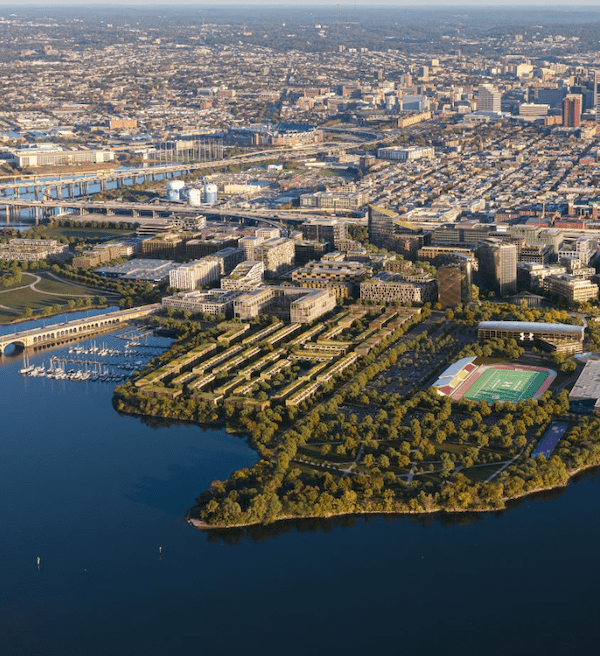
A governor’s commission wanted a stadium closer to Washington. A mayor’s commission wanted a site in the city. At one point, the list of possible stadium locations numbered 29. The Orioles’ ballpark could have ended up a suburban stadium on the Baltimore Beltway.
Image caption: Port Covington (now known as Baltimore Peninsula) was among sites considered for the ballpark.
‘Not in my neighborhood!’
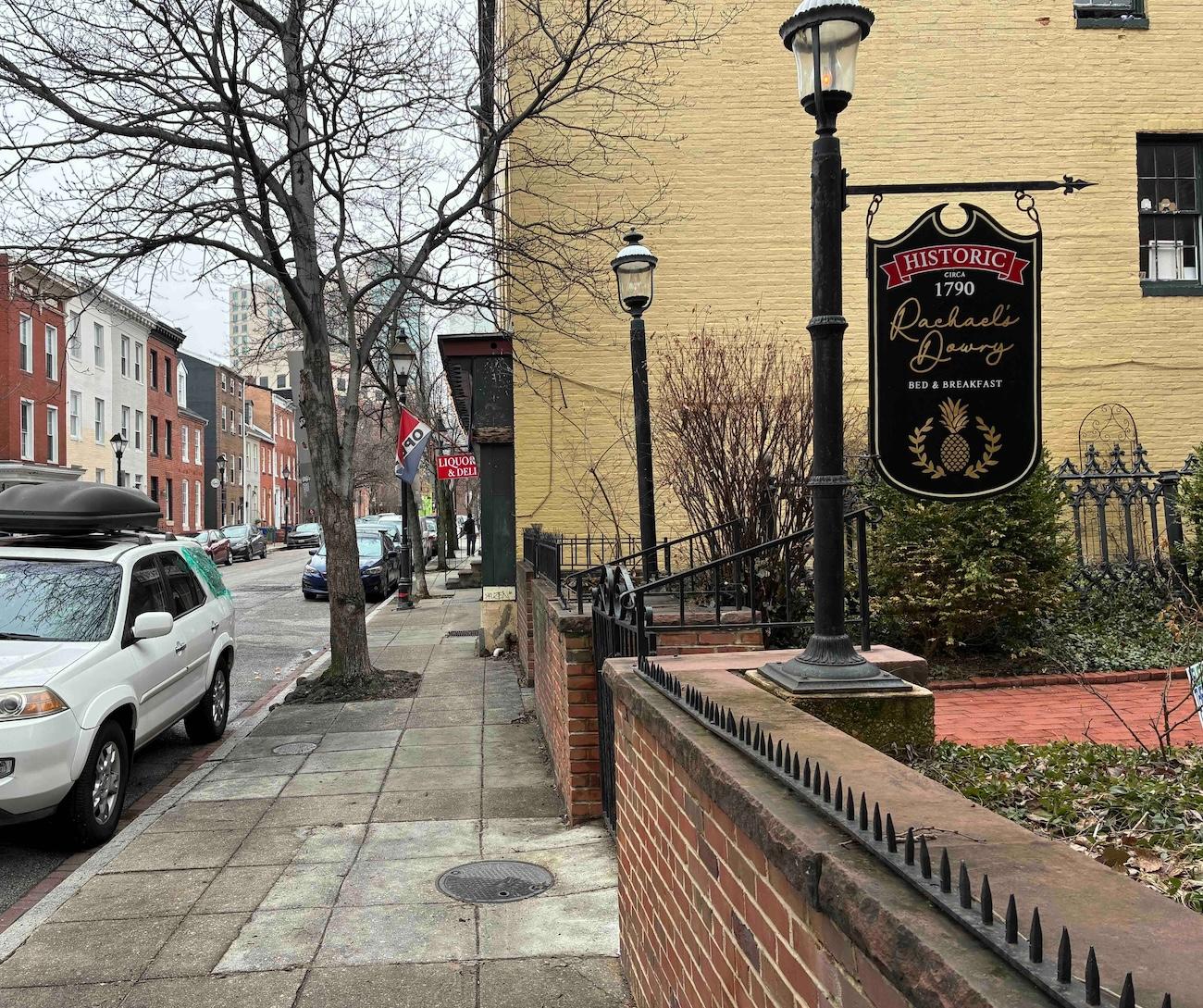
Marylanders for Sports Sanity argued that public money shouldn’t be spent on stadiums when schools and roads could use the funds. And neighbors worried that a ballpark would bring traffic and trash.
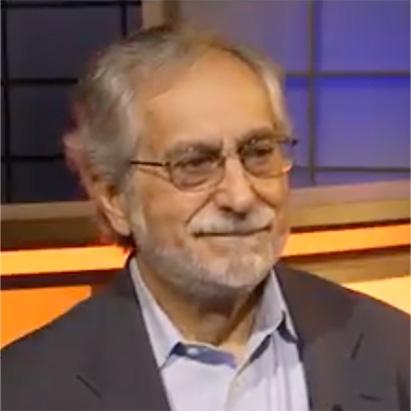
How are we going to pay for this $80, $90 million stadium, not counting the land? And we looked at a beer tax with the idea sports fans drink beer, so let's come up with a tax on beer. That didn't go anywhere. What eventually passed was … the idea to create this new lottery, instant scratch-off game specifically dedicated financially to pay for the stadium.
David Iannucci, former chief legislative officer to Gov. William Donald Schaefer
Watch the interview
At last, Edward Bennett Williams testifies
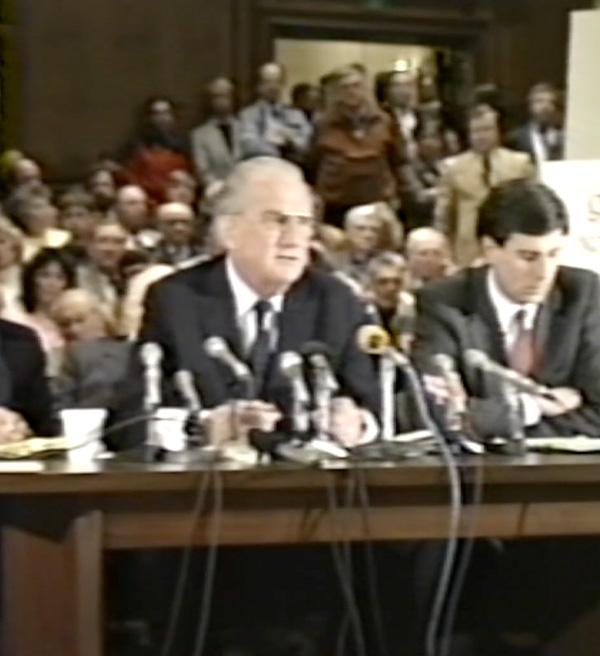
A morning round of chemotherapy in Boston had left the Orioles owner weak. Yet he dominated a legislative hearing as he explained why he believed public financing for stadiums was good policy.
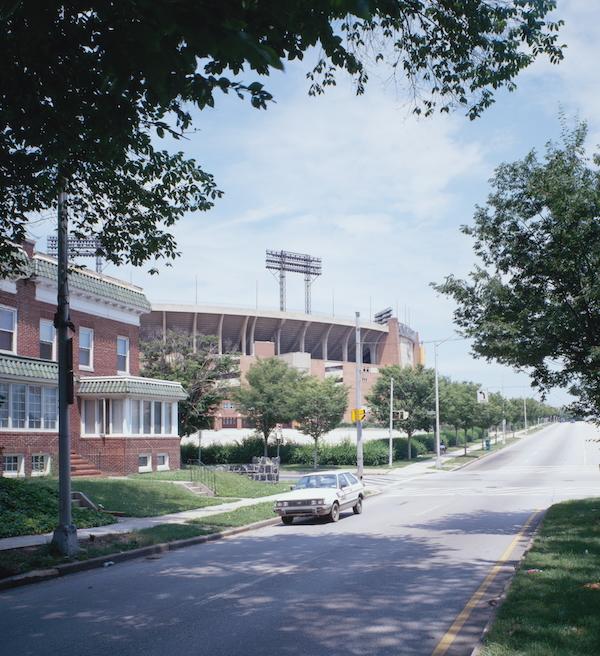
Still fighting for Memorial Stadium
Even after the legislature approved funding for new stadiums, Baltimore city and state officials held a public hearing where neighbors said they wanted to keep the stadium in their community.
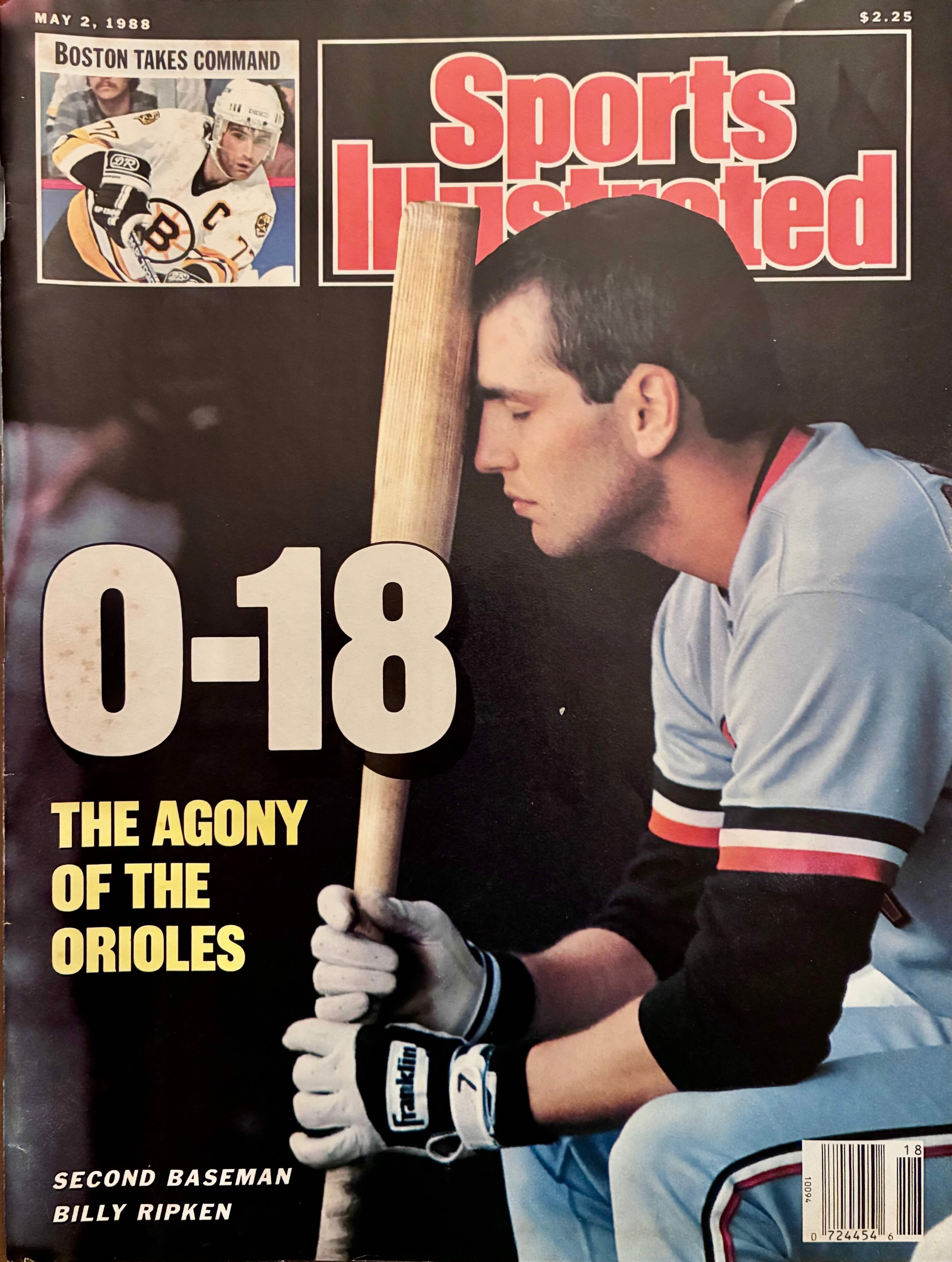
Fantastic Fans Night
The team’s record was 1-23, but more than 50,000 fans turned out at Memorial Stadium on May 2, 1988, to support the Orioles. The Birds won, and there was even more good news: a long-term Orioles lease that was finalized on the train ride from Washington to Baltimore.
If you took a survey now, everybody would say, ‘Oh, it's wonderful,’ but back then it was just another building, and it was something people didn't want to pay for, have to pay for.
Samuel I. “Sandy” Rosenberg, Maryland state delegate from Baltimore City
Watch the interview
Inside the story
On the idea of a baseball-only park
“What was not greeted as well was the notion of a baseball-only facility. We had been talking that way since the early ’80s and [Edward Bennett] Williams, I remember his reaction to me when I suggested it, was: Wait a second, you want to build not one ballpark, but two. Are you crazy? And he said, I tell you what, you can float it to the media, see if anybody picks it up, or whatever you do, don't mention my name. I don't want to be associated with a cockamamie idea like that.”
Larry Lucchino, former Orioles president
On owner Edward Bennett Williams’ illness and his urgent timetable
“He died of colon cancer that had metastasized on his liver after paying a long visit to his lungs. He was never not sick when I knew him, but he never let that get in the way. And I mean having surgery on Monday and being back in the office Thursday afternoon. I think in the end it impacted him, that he wanted it resolved. He was never going to move the Orioles, so you can take all the buzz, the gossip and the newspaper articles, that was never going to happen, but he wanted to have a home for the team solidified, and that became a little bit more urgent as his walls began to close in.”
Robert Flanagan, former Orioles secretary and treasurer
On navigating a fraught relationship with former Gov. Schaefer
“Recognizing that the governor and I weren't going to go to lunch together every day, I asked a person who was a good friend of mine and an even better friend of the governor’s to serve as an intermediary. He was a former circuit court judge who had run for office with Schaefer, and they were very, very close personal friends. And so I would tell him what I needed from the governor. He would translate, take that to the governor. The governor would send a message back to me, and that's how things worked for five years.”
Kurt L. Schmoke, former Baltimore mayor
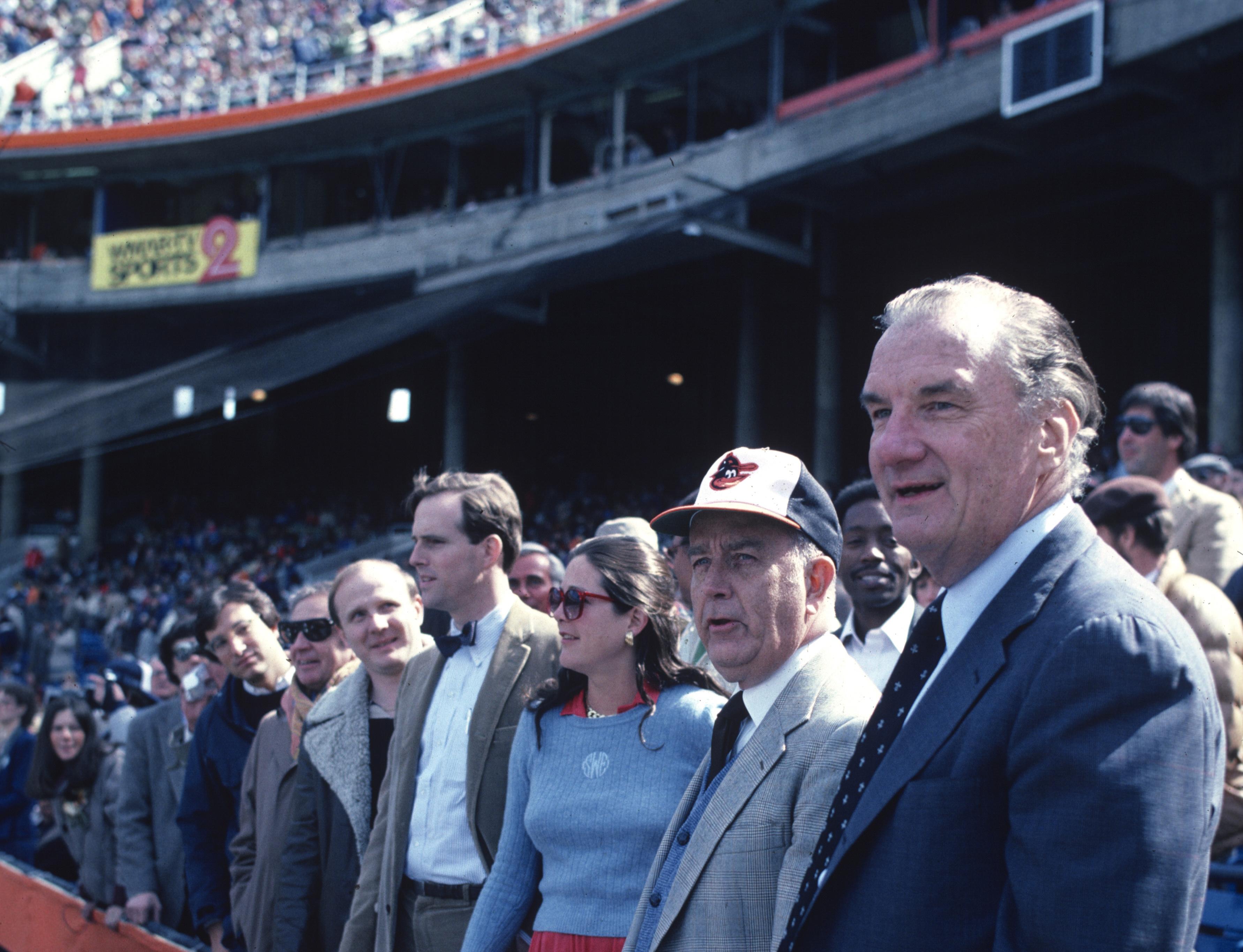
Orioles owner Edward Bennett Williams is accompanied by then-Baltimore Mayor William Donald Schaefer, wearing an O’s cap, at Memorial Stadium.
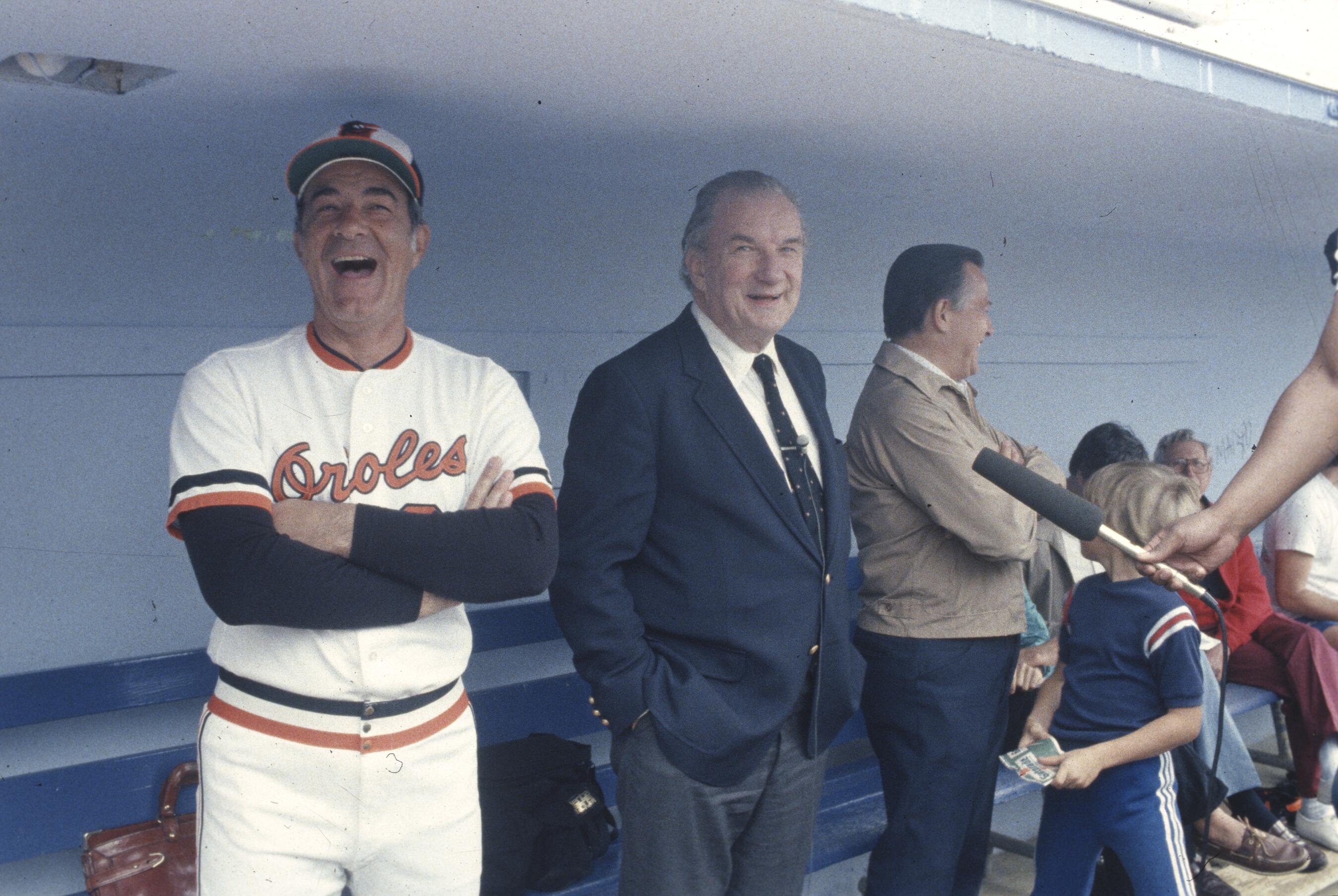
Orioles owner Edward Bennett Williams is flanked by manager Joe Altobelli, left, and general manager Hank Peters.
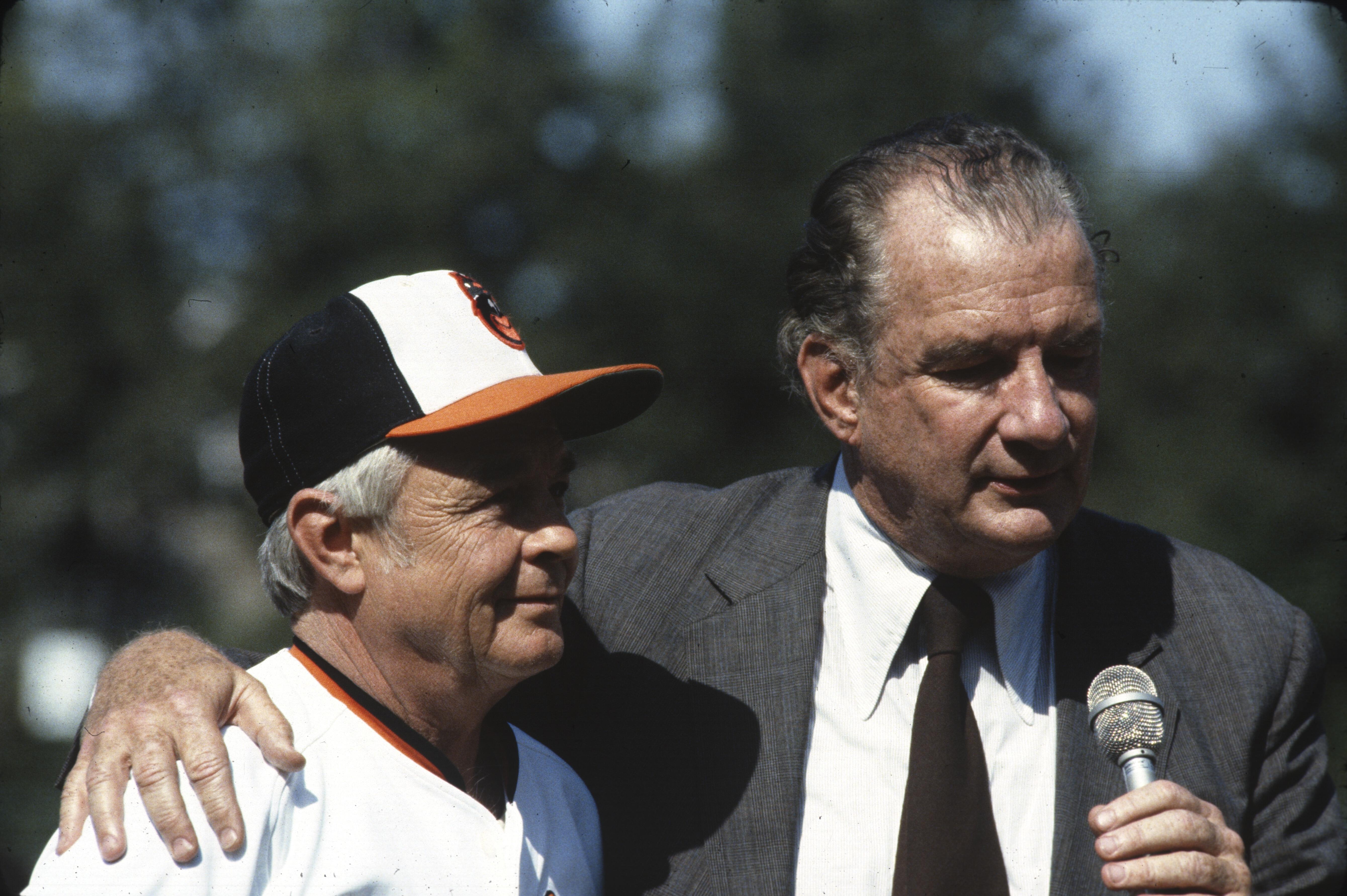
Orioles owner Edward Bennett Williams is joined at Memorial Stadium by longtime manager Earl Weaver.
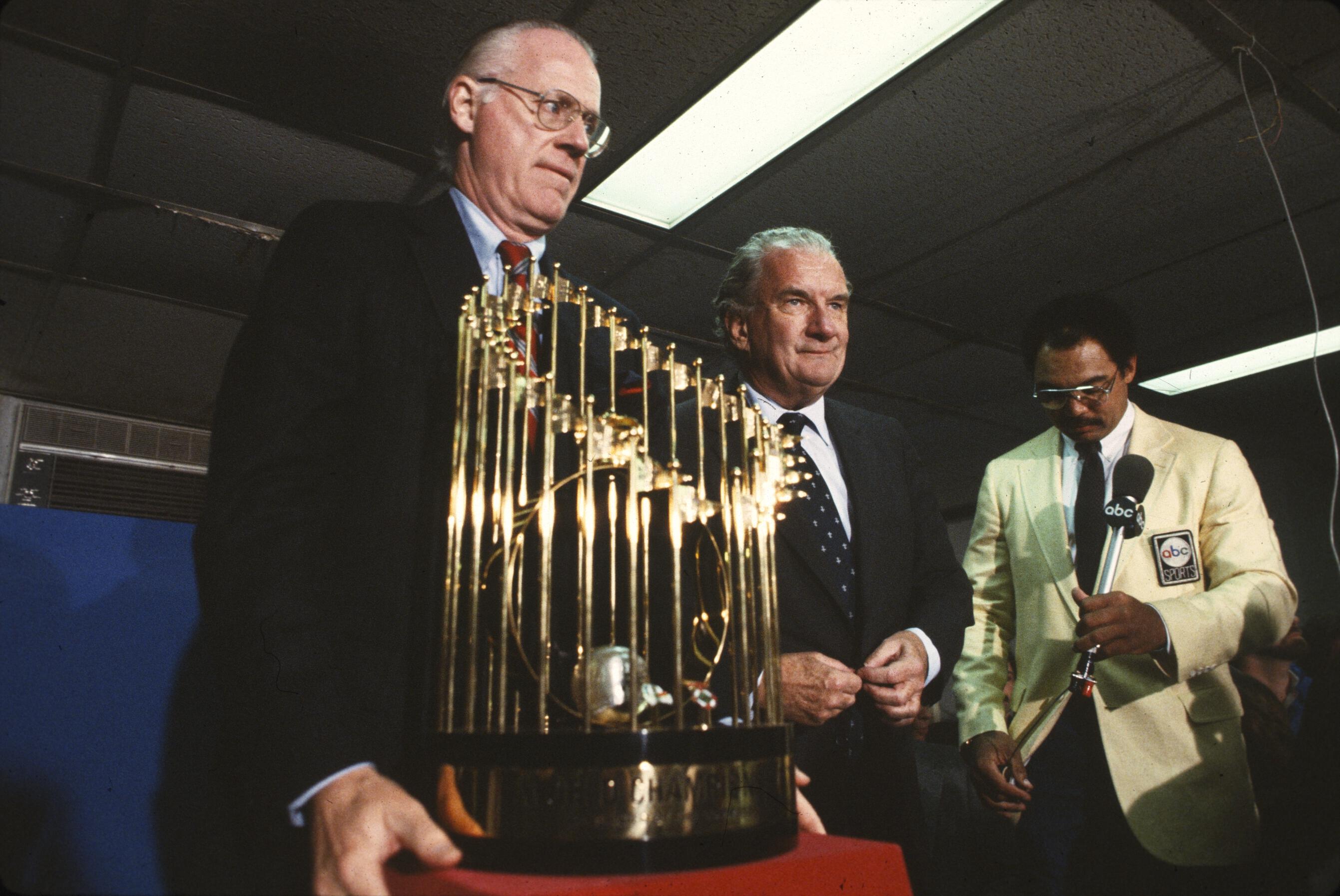
Baseball Commissioner Bowie Kuhn presents the 1983 World Series trophy to Orioles owner Edward Bennett Williams. ABC’s Reggie Jackson, a former Oriole and now a Hall of Famer, is at right.
Cast of characters
In this act.
EDWARD BENNETT WILLIAMS
Williams & Connolly founder; former Orioles owner
WILLIAM DONALD SCHAEFER
Former Baltimore mayor; former Maryland governor
ALAN RIFKIN
Former counsel and chief legislative officer to Gov. William Donald Schaefer
DAVID IANNUCCI
Former chief legislative officer to Gov. William Donald Schaefer
FRANK KELLY JR.
Former Maryland state senator, Baltimore County
LARRY LUCCHINO
Former president of Orioles, Padres and Red Sox
HERB BELGRAD
Former Maryland Stadium Authority chairman
MARK WASSERMAN
Former chief aide to Baltimore Mayor and Gov. William Donald Schaefer
WILLIAM MARKER
Stadium opponent
BILL REUTER AND SHARON REUTER
Camden Yards neighbors
JOSEPH DiBLASI
Former Baltimore city councilman
Previous: The Colts’ overnight exit
Baltimore's once-glorious NFL team sneaked out of town in the dead of night in March 1984, a caravan of Mayflower moving trucks ripping a path through the city's psyche and raising an alarming question: Could the Orioles be next to go?
Next: New home, old charm
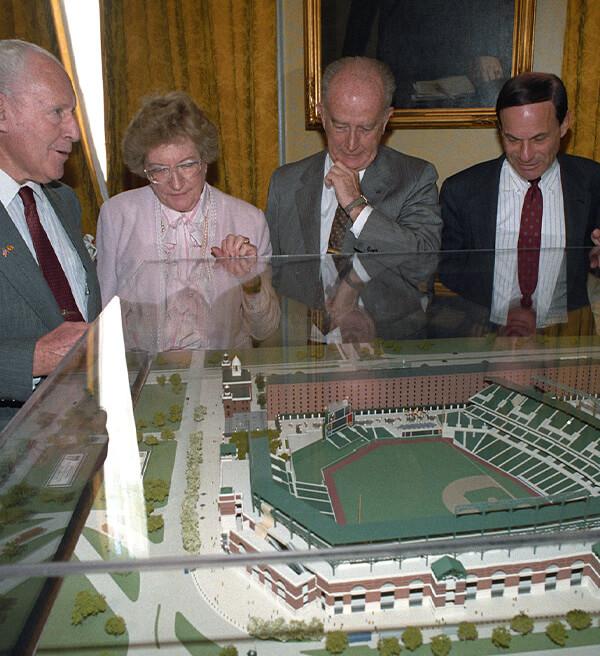
A ballpark would be built in downtown Baltimore. Facing time and monetary constraints, planners fought to make it feel both fresh and as if it had been in the neighborhood for generations.